
Drought & Ag
Anyone driving through Grand or Summit County will undoubtedly notice the impacts of the current drought on our landcape. Low reservior levels; crispy, brown vegetation; and hot, dry, windy weather are all unmistakeable signs of the persistent drought.
Though water restrictions have been in effect for many residents for much of the summer, a common question I hear, is...
Why do I have to limit my outdoor watering on my lawn and garden when I see ranchers using flood irrigation to water their fields of lush green grass?
Let's dissect why ranchers need water and your lawn/hobby garden doesn't (in times of drought)...
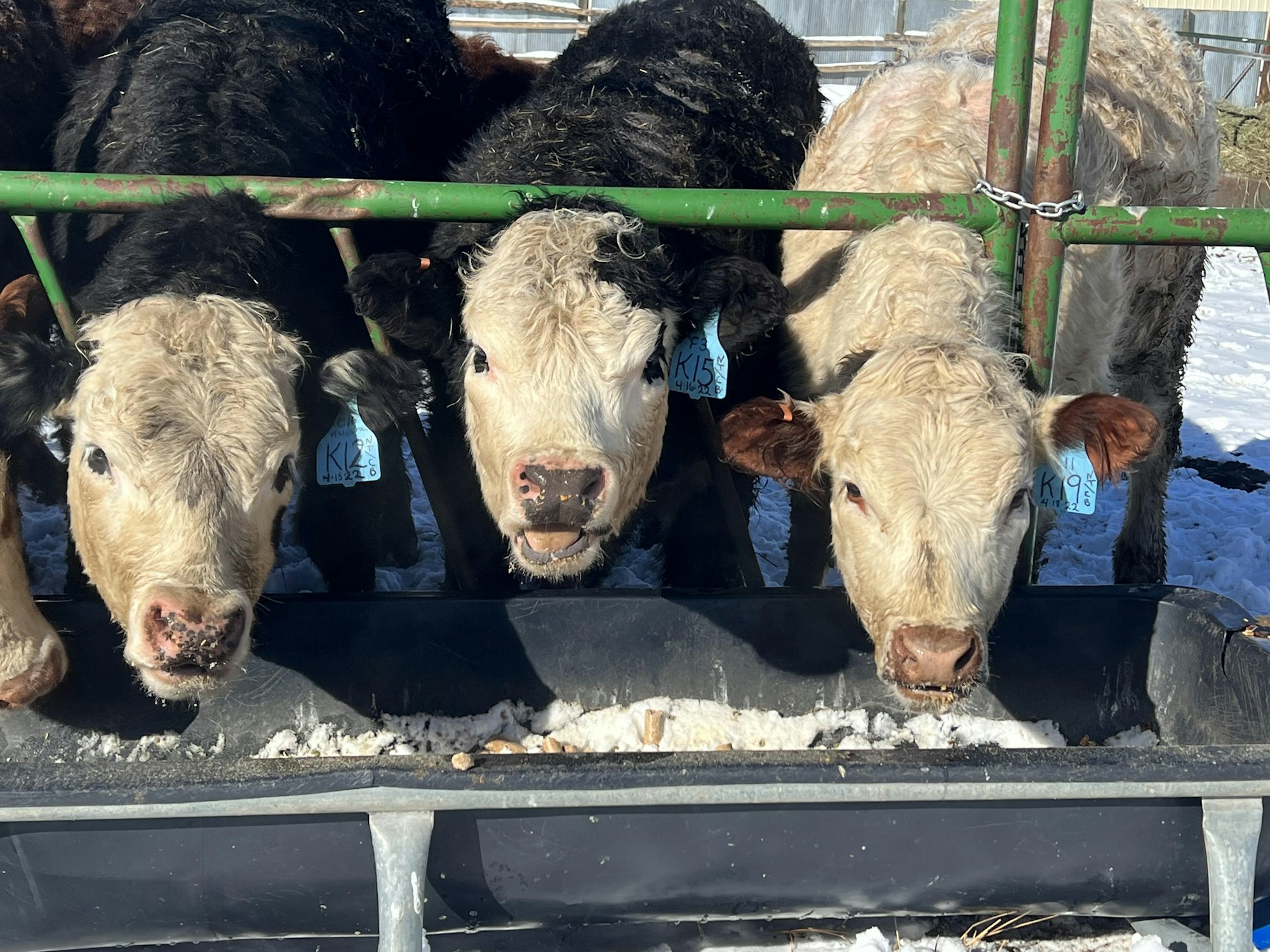
- Do you eat food that you do not grow yourself? If so, you can thank a rancher or farmer for that nourishment. Food, whether plant or animal, requires water to grow and thrive. Food does not come from the grocery store; it comes from a rancher or farmer. Think about that when you eat dinner tonight.
- Do you have a job that provides you income to put food on your table, a roof over your head, and fuel in your car? If so, consider yourself blessed to have an external source of income that keeps you afloat. Ranchers and farmers' income is tied to the land they live on and the water that flows through it.
- Would not watering your lawn or garden result in a loss of income to you? Most people do not rely on their lawn and garden for financial stability or their livelihood. Ranchers and farmers do. When crops and hayfields are dry, it directly impacts their pocketbooks and their lives.
- If the current drought is causing you financial harm, will that financial harm carry into future years even if climate conditions change and the drought ends? For ranchers and farmers, financial losses due to drought have impacts that last for several years. Studies show that drought-stricken irrigated fields that receive little to no irrigation can take three or more years to fully recover to their pre-drought productivity. Additionally, when ranchers are forced to sell their breeding livestock, they are losing several years of future income from the offspring that would have been born (and sold) from those breeding animals.
Ecosystem Services of Ag Lands
Agricultural lands and flood irrigated meadows (like the ones we find here in Middle Park) provide more than just hay and grass for livestock. These lands provide ecosystem services that even non-ranchers should be able to understand and appreciate.
- Habitat and Biodiversity: These lands provide quality wetland habitat for a variety of migratory and non-migratory species. Like seeing ducks, geese, even moose, deer, and elk down in the valleys during the summer? Many of them are here because of the seasonal water found on irrigated meadows.
- Groundwater Recharge and Return Flows: Irrigated meadows contribute to groundwater recharge by allowing water to infiltrate the soil, replenish underground aquifers, and return up to 75% of the water back to the rivers from which it was diverted. This process is essential for maintaining river flows. Sprinkler irrigation does not contribute as much to groundwater recharge or return flows as flood irrigation. Return flows mean more water in the river for downstream habitat, recreation, and diversions (especially later in the season when natural flows dwindle).
- Noxious Weed Management: Productive, healthy aglands are more resistant to noxious weed encroachment. When weeds encroach on otherwise healthy habitats, it can create a firestorm of events that deteriorate native habitats and pose a risk to the wildlife, livestock, ranchers, and recreationists that utilize those lands.
- Temperature regulation: Which is cooler - a lush green space or a dead brown field? The answer is a green space. The presense of live vegetation on the landscape helps retain moisture, provide shade, reduce soil erosion, and absorb more solar radiation. These factors result in decreased temperatures compared to brown dead landscapes. As "hot and dry" is becoming the norm these days, the last thing we should do is compound that heat by eliminating the working lands that help cool it off.
- Economic vitality: While not an ecosystem service, ag lands provide an economic service by helping to maintain the economic vitality of our town, counties, and the state. Many businesses, especially in more rural areas, serve ranchers and farmers through the products they sell and the services they offer. By cutting agriculture out of the equation, you would also negatively impact the businesses that rely on agriculture to maintain solvency. Furthermore, in areas like Middle Park, where tourists flock to see the wide open (green) spaces, the loss of agriculture could negatively impact the asthetics of the area and the tourism industry that relys on it natural beauty.
Now, let's review the impacts of drought on local ranchers
MPCD recently sent a survey to agricultural producers in Grand and Summit Counties to better understand the impacts of this year's drought conditions on their operations. Twenty-three producers responded with their anecdotal observations.
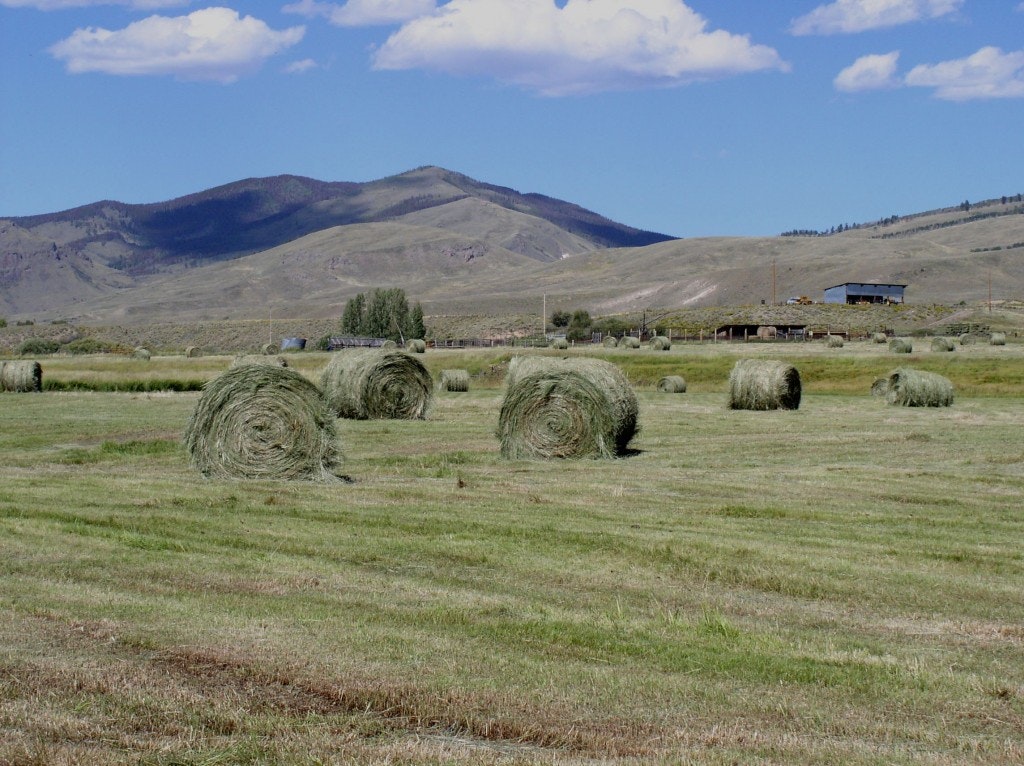
- 95% of respondents grow grass hay and 87% raise cows.
- According to respondents, other ag products grown in Grand and Summit Counties include: sheep and goats, pigs, poultry, horses, vegetables, and culinary lavendar.
- 78% of respondents turned their ag water on EARLY this year due to low snowpack. 13% were not able to turn their water on at all due to low snowpack.
- 84% of respondents reported that their diversion was LOWER than normal.
- Of respondents that are "junior waterright holders", 55% either turned their water off EARLIER than normal or never got their junior water right because "senior water right holders" diverted all available water.
- 73% of respondents expect to turn their water off EARLIER than normal due to lack of water or vegetation maturing SOONER than normal.
- 82% of respondents expect to have LESS hay yield than normal. 4% expect to have no hay crop at all.
- 83% of respondents say that their grazing lands are not productive enough to maintain their current herds. Many have either sold stock, supplemented with hay, or started grazing hayfields. When hayfields are grazed, those ranchers lose out on winter feed for their stock, meaning they will either need to buy hay or sell stock before the snow flies.
- 95% of respondents are already feeling financial losses due to drought or they expect to feel that impact in the near future.
-
Producers are experiencing a variety of other impacts such as:
- Increased mental and emotional stress
- Loss of income from hay cutting business because clients have no hay to cut
- Having to haul stock water to pastures that historically had water for their stock to drink
- Lower rate of gain on butcher animals
Conclusion
Drought impacts us all. What we are experiencing today is not likely to end tomorrow. We can all have our own opinions on where the water cuts need to be made and who must suffer the losses, but the current water crisis will require a greater sense of understanding, collaboration, and willingness by all. Are there actions ag producers can take to conserve water? YES. Is drying up ag lands the solution? NO!
A Poem to Sum It Up
Shelby Price, owner of Mountain Grace Lavendar Ranch in Hot Sulphur Springs, wrote a beautiful poem about agriculture and the land we all rely on. READ IT HERE